
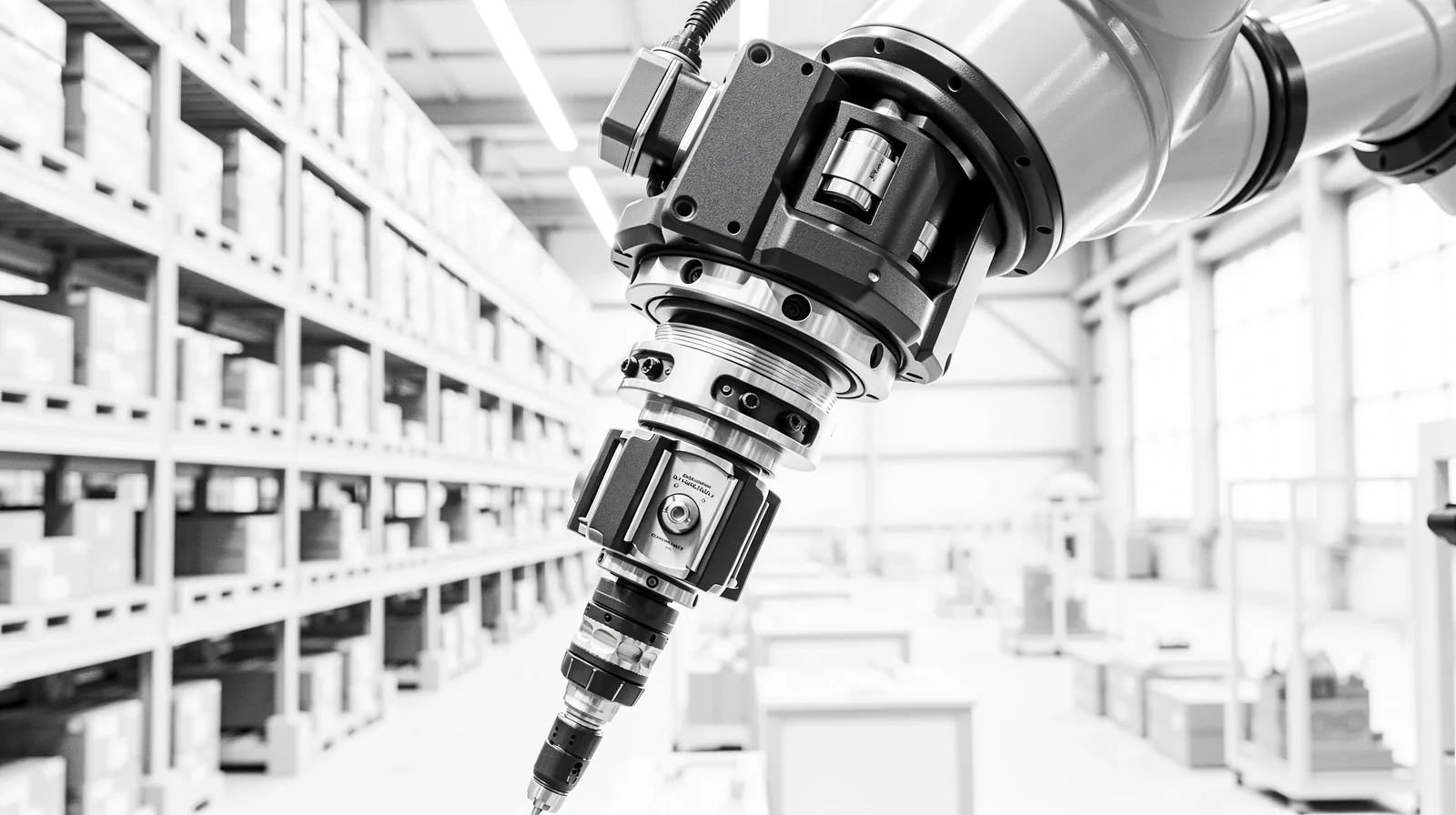
Automation Safety Protocols
Establishing technical verification and safety boundaries for non-deterministic AI systems within the Canadian industrial landscape.
- Sector: Industrial Automation
- Region: Canada (ON/QC/AB)
- Standard: AI_GOVERNANCE_S3
- Ref: 50_OCONNOR_ST
Technical Verification Standards
The shift from rule-based logic to AI-driven automation requires a transition from deterministic safety hardware to probabilistic risk management. We categorize these standards by operational impact.
Standardized verification ensures that algorithmic drift is detected before physical safeguards are breached.
AI Quality Management
Framework for managing systemic risks in AI-enabled industrial software, specifically focusing on transparency and algorithmic accountability in logistics hubs.
Functional Safety for Robots
The leading Canadian standard for industrial robot safety, updated to address Collaborative AI (cobots) in manufacturing plants.
Risk Management Framework
Integrating AI risk management into broader industrial safety protocols to ensure human-in-the-loop validation during critical failure states.
Workplace Integration Safety
Verification of electrical, electronic, and programmable electronic safety-related systems in hazardous industrial environments.

Deterministic vs. AI-Driven Safety
Traditional automation relies on rule-based logic—if condition A occurs, the system triggers reaction B. This deterministic approach is easily verifiable with standard hardware interlocks.
AI-driven systems operate on patterns and probability. Verification requires a continuous monitoring strategy that accounts for variance in environmental inputs and mechanical wear, ensuring the software remains within safety envelopes.
View Sector AnalysisSafety Readiness Checklist
These editorial benchmarks represent the minimum criteria for safe AI deployment within Canadian industrial frameworks.
Hardware Interlock Assessment
Verification that physical emergency stops override all AI-driven movement commands, regardless of algorithmic priority.
Algorithm Drift Monitoring
Establishing active logging protocols to detect "black box" decisions that deviate from baseline safety parameters over time.
Human-in-the-Loop Validation
Implementation of manual oversight touchpoints for high-consequence operational decisions that cannot be purely automated.
Root-Cause Analysis Capability
Audit-ready documentation that allows investigators to trace AI decisions back to specific datasets or operational logic triggers.
Disclaimer: This content is for informational purposes only. The editorial analysis provided by AILearnX does not constitute certified engineering advice.
Site-specific safety audits must be conducted by certified professional engineers (P.Eng.) in your respective Canadian jurisdiction. AILearnX provides editorial frameworks to guide early-phase research only.
Continue Your Automation Journey.
Move from safety standards to real-world industrial consequences. Explore how Canada's major sectors are adapting to the AI shift.
Explore Industrial Impact